Should I See a Therapist or a Psychiatrist?
Understanding the Difference between Therapy and Psychiatry and How to Decide
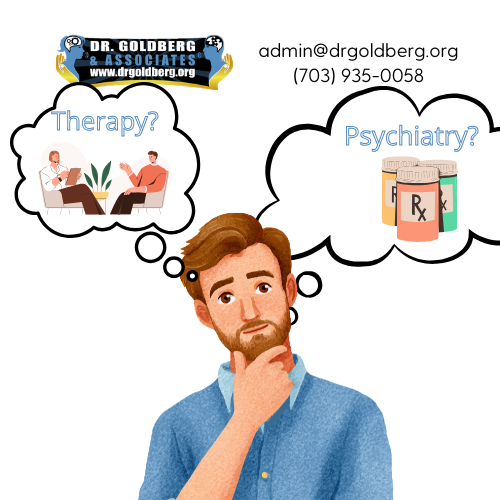
If you’re struggling with anxiety, depression, panic attacks, sleep problems, or mood changes, you may be wondering whether you should schedule an appointment with a therapist or a psychiatrist.
This is one of the most common questions I hear as a Licensed Professional Counselor. Many people aren’t sure what each provider does, whether they need medication, or what type of treatment will help them feel better.
The good news is that you don’t have to have the answer before seeking help. Mental health treatment isn’t about choosing the “right” provider—it’s about finding the level of care that best meets your current needs.
What Is the Difference Between a Therapist and a Psychiatrist?
Although therapists and psychiatrists both treat mental health conditions, they have different roles in the treatment process.
What Does a Therapist Do?
Therapists help individuals understand the connection between their thoughts, emotions, and behaviors while developing practical tools to improve their mental health and overall quality of life.
In therapy, we work together to:
- Identify patterns contributing to anxiety, depression, or other emotional concerns
- Develop healthier coping skills
- Process difficult life experiences
- Improve communication and relationships
- Build resilience and emotional regulation
- Create lasting behavioral change
My therapeutic approach is integrative, meaning I tailor treatment to each person’s unique needs. Depending on the situation, I may incorporate Cognitive Behavioral Therapy (CBT), Acceptance and Commitment Therapy (ACT), Dialectical Behavior Therapy (DBT)-informed strategies, person-centered therapy, and solution-focused techniques.
Therapy focuses on helping you understand why you’re feeling the way you do while equipping you with skills to create meaningful, long-term change.
What Does a Psychiatrist Do?
Maybe you’ve found yourself wondering, “Do I need a psychiatrist?” Psychiatrists and Psychiatric Nurse Practitioners are medical doctors/professionals who specialize in diagnosing and treating mental health conditions from a medical perspective.
Unlike therapists, psychiatrists can prescribe medications to help manage symptoms such as:
- Severe depression
- Anxiety disorders
- Panic attacks
- Bipolar disorder
- Mood instability
- Sleep disturbances
- Other psychiatric conditions
Their role is to evaluate whether medication may help regulate symptoms that are significantly affecting your daily functioning.
Medication doesn’t replace therapy. Instead, it can reduce symptom intensity so you’re better able to participate in the therapeutic process.
Do I Have to Choose Between Psychiatry and Therapy?
Not at all.
One of the biggest misconceptions about mental health treatment is that therapy and psychiatry are mutually exclusive and try to decide between therapy or medication.
In reality, they often work best together.
Therapy helps you develop insight, process emotions, and build healthier coping strategies, while psychiatric medication can stabilize symptoms that make it difficult to engage fully in therapy.
For many people, combining both approaches leads to the greatest improvement.
When Do People Start Wondering If They Need Medication?
Many clients begin asking about medication when symptoms start interfering with everyday life.
Some of the most common concerns include:
- Persistent anxiety
- Ongoing depression
- Frequent panic attacks
- Emotional ups and downs
- Difficulty sleeping
- Trouble concentrating
- Loss of motivation
- Difficulty functioning at work, school, or home
Often, people aren’t asking because they want medication—they’re asking because they simply want to feel like themselves again.
Understanding the Stigma Around Psychiatric Medication
One of the biggest barriers I see is the stigma surrounding medication.
Some clients worry that taking medication means they’ve “failed” or that their mental health struggles are somehow more serious than someone else’s.
Others believe they should be able to overcome everything through willpower or therapy alone.
I understand these concerns, but they aren’t supported by how mental health actually works.
Many mental health conditions involve biological and neurological factors that can affect mood, energy, sleep, concentration, and emotional regulation.
Just as someone with high blood pressure or diabetes may benefit from medication alongside healthy lifestyle changes, some individuals benefit from medication while also participating in therapy.
Needing medication isn’t a sign of weakness. It’s simply one of many evidence-based treatment options available.
How I Decide Whether to Recommend Therapy Alone or Therapy Plus Medication
Every treatment recommendation is individualized.
When discussing whether psychiatric support may be helpful in addition to therapy, I typically consider three primary factors:
- How severe the symptoms are
- How long the symptoms have been present
- How much the symptoms interfere with daily functioning
For example, if someone is experiencing mild to moderate anxiety or depression but is still functioning relatively well, I often recommend beginning with outpatient therapy and monitoring progress over time.
However, if someone is experiencing significant depression, severe anxiety, or symptoms that make it difficult to work, care for themselves, or maintain relationships, I may recommend combining therapy with psychiatric medication management.
The goal is always to match the level of treatment to the level of need rather than taking a one-size-fits-all approach.
Why I Normalize Psychiatric Care
When I recommend psychiatric support, I often compare mental health treatment to treating a physical health condition.
If someone has asthma, they might benefit from medication while also making lifestyle changes.
If someone has diabetes, they may use medication alongside healthy eating and exercise.
Mental health works similarly.
Medication can help stabilize symptoms while therapy helps you understand yourself, process difficult experiences, and build lifelong coping skills.
It’s also important to know that finding the right medication can take time. Sometimes adjustments are needed before finding the medication and dosage that works best for you.
That’s a normal part of the process, and your psychiatric provider will work closely with you to monitor your progress.
A Real-Life Example of Integrated Treatment
I once worked with a client whose depression and anxiety had become so overwhelming that they were struggling to function both personally and professionally.
We made meaningful progress in therapy, but their symptoms remained severe enough that daily life continued to feel overwhelming.
As our therapeutic relationship grew stronger, the client became more open to discussing medication as an additional treatment option.
After beginning medication management with a psychiatrist, they experienced a significant reduction in both anxiety and depressive symptoms within about four weeks.
With those symptoms more manageable, therapy became even more productive.
The client was able to process difficult life experiences, strengthen healthy coping skills, and make progress that previously felt out of reach.
This is a great example of how therapy and medication can complement one another rather than compete.
How Do You Know Which One Is Right for You?
If you’re unsure whether you need a therapist, a psychiatrist, or both, you don’t have to figure it out on your own.
A mental health professional can help assess your symptoms, discuss your goals, and recommend the level of care that’s most appropriate for your situation.
For many people, beginning with therapy is an excellent first step. During treatment, your therapist can monitor your progress and discuss whether additional support, including medication management, may be beneficial.
Remember, treatment plans can evolve over time as your needs change.
Final Thoughts
Choosing between a therapist and a psychiatrist isn’t always an either-or decision.
Therapy provides the opportunity to understand yourself, develop healthier coping strategies, and create lasting emotional change. Psychiatry can provide symptom stabilization when biological factors significantly affect daily functioning.
Together, these approaches often provide the most comprehensive path toward healing.
If you’re feeling overwhelmed, you don’t have to decide everything before reaching out for help. Taking the first step is often the hardest part, and a qualified mental health professional can help guide you toward the treatment plan that’s right for you.
At Dr. Goldberg & Associates, we offer both outpatient therapy and medication management, allowing our providers to collaborate and develop individualized treatment plans based on your unique needs. Whether you’re experiencing anxiety, depression, mood changes, or another mental health concern, we’re here to help you find the support that’s right for you.
Looking for a therapist?
Speak to our admin team via email at [email protected] or by phone at (703) 935-0058 (Option 1).
Looking for a psychiatrist?
Speak to our medication management team at [email protected] or by phone at (703) 935-0058 (Option 2)
Written by:
